

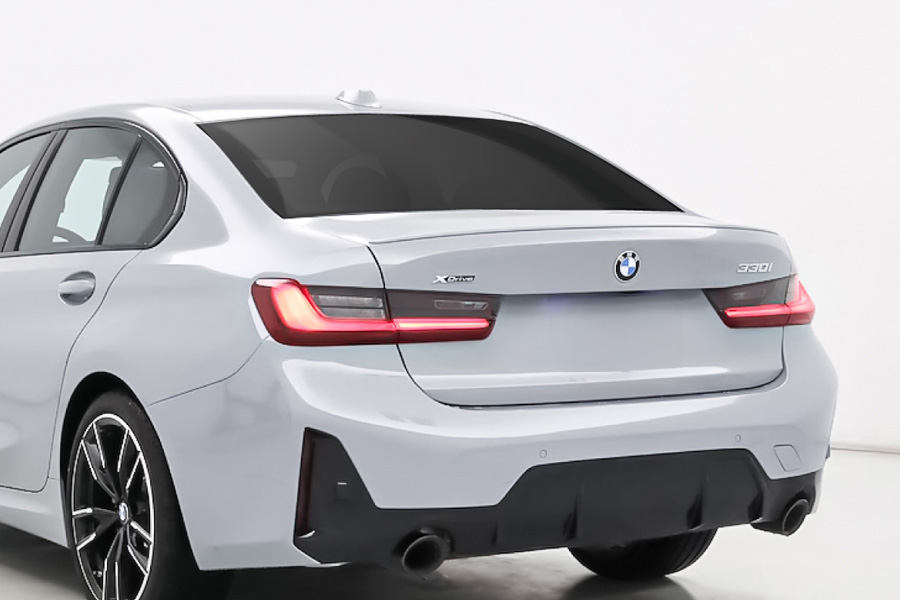
Window tinting can transform the appearance of a vehicle while offering practical benefits such as increased privacy, reduced glare and greater comfort inside the cabin. However, before choosing a darker shade, drivers need to understand an important point: not every level of tint is legal on every window.
UK rules place clear restrictions on how much light must be able to pass through the windscreen and front side windows. Choosing a film without considering the existing glass can therefore leave a vehicle outside the legal limits.
This guide explains UK car tinting laws, what the percentages actually mean, which windows can be tinted more heavily and what drivers should consider before having tint installed.
What Are the Legal Tint Limits in the UK?
The legal requirements depend partly on when the vehicle was first used.
For vehicles first used on or after 1 April 1985:
- The front windscreen must allow at least 75% of light through.
- The front side windows must allow at least 70% of light through.
For vehicles first used before 1 April 1985:
- The front windscreen must allow at least 70% of light through.
- The front side windows must allow at least 70% of light through.
These percentages refer to visible light transmission, commonly shortened to VLT.
There are no equivalent statutory VLT limits for the rear windscreen or rear passenger windows under the general UK vehicle tint rules. This means drivers have considerably more flexibility when choosing a darker appearance for the rear section of a car.
What Does VLT Mean?
Visible Light Transmission describes how much visible light passes through a window.
This is where tint percentages can become confusing.
A window with 70% VLT allows approximately 70% of visible light to pass through. A much darker window with 20% VLT allows only around 20% through.
In simple terms:
Higher VLT = more light passes through = lighter appearance.
Lower VLT = less light passes through = darker appearance.
This distinction matters when discussing tint options with an installer. Asking for a “70% tint” can sometimes cause confusion if it is unclear whether you are referring to the amount of light transmitted or the darkness of the film.
A professional installer should be able to explain the available options clearly.
Why the Existing Glass Matters
One of the most important things to understand about automotive window tinting is that the film is not the only factor determining the final VLT.
Modern vehicle glass may already have some degree of tint or light reduction from the manufacturer. Adding film reduces the total amount of light that passes through the complete glass-and-film combination.
For example, fitting a film marketed with a particular VLT does not automatically mean the finished window will have exactly the same VLT.
This is particularly important on the front side windows, where there may be relatively little room for additional darkening while remaining above the legal minimum.
That is why the finished window matters more than simply choosing a film based on its advertised percentage.
Can You Tint the Front Side Windows?
Yes, but the completed windows must still meet the applicable legal light-transmission requirement.
For the majority of modern vehicles on UK roads, the front side windows need to allow at least 70% of light through.
This can significantly limit how dark an aftermarket film can be on these windows.
Drivers should therefore be cautious about choosing tint based purely on photographs or how dark another vehicle looks. Different cars can leave the factory with different glass specifications, meaning the same film may produce different results when fitted to two vehicles.
Having the glass assessed before installation is the safer approach.
How Dark Can Rear Car Windows Be?
The rules are much more flexible behind the driver.
Under the general UK rules, there is no specified VLT limit for:
- Rear passenger side windows
- Rear quarter windows
- Rear windscreens
This gives vehicle owners more freedom to choose darker shades for privacy, styling and comfort.
It is common to see vehicles with significantly darker rear glass than front glass, including cars supplied with factory privacy glass.
However, specialist vehicles such as taxis and private hire vehicles can be subject to additional licensing requirements set by local authorities. Owners using a vehicle commercially should therefore check any rules that apply to their licence before making changes.
What Happens If Your Front Tint Is Too Dark?
Illegal front window tint is not simply a cosmetic issue.
Police and vehicle examiners can use light-measuring equipment to check how much light passes through the glass.
If the windscreen or front side windows are too heavily tinted, enforcement action can include a prohibition notice preventing the vehicle from being used on the road until the excessive tint has been removed. A driver could also receive a penalty notice or be required to attend court.
Visibility is another important consideration.
Very dark front windows can make it more difficult to see pedestrians, cyclists and other hazards, particularly at night or during poor weather. A tint should improve the experience of owning the vehicle without compromising the driver’s ability to see clearly.
Is Window Tint Checked During an MOT?
This is an area where drivers can easily misunderstand the rules.
The MOT inspection includes checks relating to excessive tinting and the driver’s view through the windscreen and windows beside the driver’s seat. However, the MOT inspection process is not the same as a roadside VLT measurement against the statutory percentage limits.
A vehicle should therefore not be assumed to comply with the law simply because it has previously passed an MOT.
Legal compliance remains the vehicle owner’s responsibility.
Factory Privacy Glass and Aftermarket Tint Are Not the Same
Many modern cars, SUVs and premium vehicles are supplied with darker rear glass from the manufacturer. This is commonly called privacy glass.
Aftermarket tint usually involves applying a specialist film to the existing glass.
The two can look similar from outside the vehicle, but they are not necessarily the same product or construction.
Aftermarket film can be useful for drivers who want to change the appearance or performance of their existing windows without replacing the glass itself. Depending on the film selected, it may also provide additional benefits relating to solar heat, glare and UV exposure.
The right solution depends on the vehicle, existing glass and what the owner wants to achieve.
Choosing a Professional Tint Installer
Searching for automotive tint near me will usually produce plenty of options, but proximity should not be the only factor when choosing an installer.
Before booking, ask whether the installer understands the current UK legal requirements and whether they can assess the existing glass before recommending a film for the front windows.
It is also worth considering:
- The quality and type of film being installed
- The installer’s experience
- Warranty coverage
- Workmanship standards
- Whether the film is professionally fitted
- How the installer approaches legal compliance
A professional installation should look clean and consistent, without distracting bubbles, lifting edges or poorly finished sections.
Most importantly, the installer should not recommend an excessively dark front tint simply because a customer requests it.
What Tint Percentage Should You Choose?
There is no single percentage that is right for every vehicle.
The ideal choice depends on where the tint will be installed and what you want from it.
For rear windows, a darker option may be appropriate if privacy and styling are the main priorities. A lighter appearance may suit drivers who want a more subtle finish or prefer greater visibility from inside the vehicle.
Front windows require much more care because of the legal VLT requirements.
Rather than choosing a percentage based only on appearance, start with the existing glass and determine what can be fitted while keeping the finished window compliant.
Get Your Car Tinted With Confidence
Window tinting should balance appearance, comfort, privacy and road safety.
Understanding the legal limits before choosing a film makes that process much easier. For most modern vehicles, remember the key figures: at least 75% of light must pass through the front windscreen and at least 70% through the front side windows. The rear passenger windows and rear windscreen are not subject to the same statutory VLT limits under the general UK rules.
If you are considering professional window tinting, Global Tint UK can help you explore suitable options for your vehicle and the look you want to achieve.
Choosing the right tint is not about making every window as dark as possible. It is about finding the right balance between style, privacy, comfort, visibility and legal compliance.